Pest Control Solutions in North York for Houses and Commercial Properties
If you want pest control North York property owners can trust, regional pest management solutions should be built for the way properties actually work in North York, ON. This part of Toronto includes tower condos, historic homes, townhouses, and busy commercial plazas, and each property type causes different pressure points for an infestation. Shared walls, utility penetrations, storage rooms, balconies, basements, and loading areas can all become entry points or harbourage areas for insects.
North York also experiences strong seasonal pest activity, especially during Toronto’s humid summers. That weather often boosts ant trails, cockroach movement, wasp nesting, and other insect issues that become more noticeable in homes and businesses. Because many properties sit near major roads, transit corridors, and active commercial strips, pest movement can be more constant than homeowners expect. Effective insect control services need to match these local conditions, along with Ontario standards and typical GTA property conditions.
Why North York Properties Benefit from Area Insect Management
In North York, insect issues are rarely one-size-fits-all. A high-rise along Yonge Street has distinct challenges than a detached home near a less busy residential block or a townhouse close to a busy plaza. That is why local insect control services matter. They need to focus on the property’s structure, the surrounding neighbourhood, and the seasonal pests most likely to appear in Toronto’s north end.
For many property owners, the biggest concern is not just removing visible insects but finding the source of the infestation. Cockroaches can move through wall voids and service chases. Ants may enter through tiny gaps in foundations or around windows. Bed bugs spread through luggage, furniture, and shared access points in multi-unit buildings. Wasps can build nesting sites under eaves, decks, and awnings. Without a detailed inspection and a plan for exclusion, sanitation, and follow-up service, the problem can keep returning.
North York’s property mix also matters. Condominiums often have shared laundry rooms, garbage chutes, and mechanical spaces that require coordinated commercial pest control or building-wide residential pest control strategies. Townhouses and detached homes may have basement moisture, garage access, or roofline gaps that let insects in. In both cases, targeted treatments and preventive maintenance are usually better than a one-time spray.
Common Insects Treated by Pest Control in North York
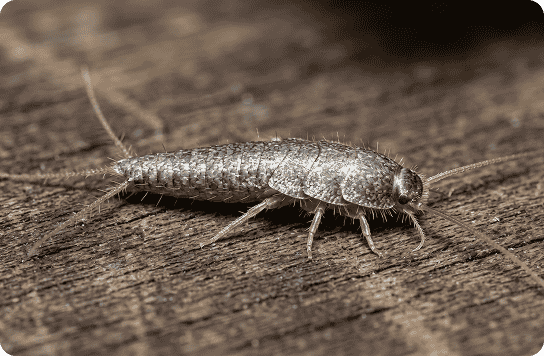
Reliable pest control North York services typically treat a broad variety of insects, but some show up more often than others. Cockroaches, ants, bed bugs, and wasps are among the most frequent callouts, especially in areas with dense housing or heavy foot traffic. Other frequent pests include spiders, silverfish, earwigs, and carpenter ants, each of which can become a nuisance or a sign of larger moisture or structural issues.

The goal of insect control services is not only removal. It is also to limit conditions that support future activity. That means identifying nesting sites, food sources, moisture issues, and how insects travel through shared spaces or around building exteriors.
Cockroach and ant problems in homes and multi-unit buildings
Cockroaches and ants are especially common in condominiums and townhouses because insects can move between units, around plumbing lines, and through small cracks in walls or floors. In multi-unit buildings, a single apartment with food debris, standing water, or clutter can support a larger building-wide infestation. That is why sanitation and inspection are so important.
Cockroaches often hide in harbourage areas such as under sinks, behind appliances, inside cabinets, and near heating lines. Ants may follow trails into kitchens, pantries, and bathroom areas, especially during warm weather. In North York, where many properties are close to commercial strips and transit activity, these pests can also be introduced through deliveries, garbage areas, and shared entrances. Targeted application, baiting, and proper proofing are usually more effective than broad spraying alone.
Bed bug inspections and treatment considerations
Bed bugs are one of the most stressful pest issues for North York residents because they can spread quickly in condos, apartment-style buildings, and even houses through second-hand furniture or travel. A thorough inspection is the first step, and it should include bedrooms, baseboards, upholstered furniture, mattress seams, and other likely hiding spots. Licensed technicians are important here because bed bug work often requires a careful treatment plan and clear communication about preparation and follow-up.
Depending on the situation, procedures may require focused application in hidden voids, mattress and box spring treatment, or a wider approach to affected rooms and adjacent spaces. As bed bugs are persistent, monitoring and subsequent service are often necessary. A hasty or incomplete job can leave survivors behind and allow the infestation to continue. For that reason, customer satisfaction depends heavily on thoroughness, discretion, and a systematic response plan.
Wasps, spiders, and outside nuisance insects
Wasps and spiders are frequent nuisance insects around detached homes, notably during late spring and summer. Wasps may build nesting sites under soffits, deck railings, sheds, garages, and porch roofs. Spiders often appear near lights, windows, basements, and storage areas where other insects are present. While spiders are often more troublesome than a direct threat, their presence can signal that other insects are also active nearby.
Detached homes in North York may also need proactive maintenance to keep outdoor insect activity from moving indoors. This can include sealing gaps, checking screens, managing outdoor lighting, and reducing clutter around the foundation. For wasps, quick identification matters because nests can grow fast and become difficult to approach safely without professional help. Safe treatments and rapid response are especially important when nests are close to entrances, patios, or children’s play areas.
How Bug Treatment Programs Operate
Effective insect control services follow an combined pest management strategy rather than using a one treatment option. Integrated pest management brings together inspection, cleaning, exclusion, tracking, and targeted treatment. This approach is generally most effective for residences and businesses in North York because it deals with https://toronto-ontk462.yousher.com/restaurant-pest-control-in-north-york-local-prevention-guide both the insects themselves and the issues that let them multiply.
For property owners, this means the service should open with a property inspection and a detailed explanation of findings. The technician should determine the type of insect, verify the severity of the infestation, find entry points, and recommend the right combination of treatments and prevention steps.
What a local inspection should include
A careful property inspection should look past the obvious problem area. For example, if ants are visible in the kitchen, the source may be a gap near the foundation, a pipe penetration, or a nesting site outdoors. If cockroaches are present, the technician should check heated, moist harbourage areas such as kitchen cabinets, appliances, utility rooms, and wall voids. For bed bugs, the inspection should include sleeping areas, furniture seams, outlets, and baseboards.
In North York, inspection also needs to account for local building styles and shared infrastructure. Entry points may include worn weather stripping, gaps around balcony doors, cracks in masonry, or openings around utility lines. Nesting sites can be found in attics, wall cavities, behind stored items, or near exterior debris. A thorough inspection helps the technician build an effective treatment plan and reduces the chance of repeat problems.
Treatment options for different infestations
Specific infestations require different treatments. Baiting is often useful for ants and cockroaches because it targets the colony and can reduce hidden activity. Spraying may be used in certain situations, especially for perimeter control or immediate knockdown, but it should be applied carefully and with a targeted application strategy. For wasps, treatment often depends on nest location and access, while bed bugs may need a multi-step plan that includes physical treatment, follow-up, and monitoring.
Careful treatments are important in both residential pest control and commercial pest control environments. North York homeowners and business operators frequently want eco-friendly solutions that are appropriate for families, staff, customers, and pets. The best companies will clearly explain what is being used, where it will be applied, and how it aligns into the larger pest management plan. Quality work should balance safety, precision, and long-term control.
Why follow-up visits matter
Many insect problems do not end after one appointment. Follow-up service is important because it confirms whether the infestation has been reduced and whether additional treatment is needed. Monitoring can include rechecks, traps, visual inspections, and customer reporting. This is especially important for bed bugs, cockroaches, and carpenter ants, where hidden activity can continue after the initial service.
Follow-up visits also support rapid response if insects reappear. That responsiveness is a key part of customer satisfaction, especially for businesses that need to keep operations running or for families dealing with a stressful home issue. A dependable service plan should include a clear timeline for reinspection and adjustments if needed.
Choosing a Pest Control Company in North York
When choosing pest control North York property owners should seek much more than a quick promise to “remove bugs.” The company should know local property types, provide both residential pest control and commercial pest control, and use licensed technicians who can work within Ontario standards. North York’s mix of condos, houses, and commercial corridors means the provider should be prepared handling different building layouts and access limitations.
It is also worth asking how the company handles documentation, communication, and building coordination. In multi-unit properties, especially condominiums and shared-wall homes, pest issues can affect neighbours and common areas. A strong provider will work with property management or the homeowner to develop a practical plan that includes treatment, exclusion, and preventive maintenance.
Questions to ask before booking service
Before booking, ask whether the company offers eco-friendly solutions and safe treatments appropriate for your situation. Ask how they handle proofing, because sealing entry points is often as important as the treatment itself. You should also ask about customer satisfaction policies, including whether they provide monitoring or return visits if the problem persists.
It helps to ask about the exact process: Will they inspect first? Do they provide a written summary? Are baiting and spraying used selectively or as a default? How do they adapt treatment for pets, children, or food-handling areas? Clear answers usually indicate a company that uses integrated pest management and values long-term results rather than short-term fixes.
What to anticipate in condos, houses, and businesses
In condominiums, insect control may involve cooperation with property management, access to multiple units, and monitoring of common areas such as garbage rooms, storage lockers, and laundry facilities. Condominiums often need building-wide attention because insects can travel through shared walls, pipes, and hallways.
For single-family homes, the attention may be on lower levels, attics, foundation gaps, garages, and outdoor nesting sites. Dampness reduction is often part of the solution because damp conditions can attract cockroaches, silverfish, earwigs, and carpenter ants. In commercial properties, especially restaurants, offices, and retail spaces, service should account for customers, stock rooms, waste handling, and after-hours access. Oversight is often ongoing because business settings can attract pests through deliveries, waste, and constant foot traffic.
Avoiding Upcoming Pest Problems
Extended control depends on preventive maintenance. That means more than just reacting when insects arrive. It means using cleaning, exclusion, and moisture control to make the property less inviting and less reachable. In North York, where seasonal pests can surge during humid weather, prevention is often the best way to keep a slight issue from becoming a serious infestation.
Effective prevention also protects property value and daily comfort. Whether you oversee a home, condo, or business, a regular plan reduces the chance of repeated service calls and helps keep conditions consistent over time.
Year-round prevention tips for North York residents
During warm months, check for entry points around windows, doors, utility lines, vents, and balcony doors. Townhouses and detached homes should pay close attention to basement windows, garage seals, and roofline gaps. Because seasonal pests are more active in Toronto-area humidity, it is wise to keep food sealed, clean up crumbs quickly, empty garbage regularly, and avoid letting moisture build up in sinks, crawl spaces, or laundry areas.
In colder months, insects often move indoors to escape weather changes, so exclusion becomes even more important. Caulking cracks, repairing screens, and sealing utility openings can make a significant difference. If you live near major roads or busy commercial areas in North York, regular checks are especially useful because pest movement can be more frequent in surrounding buildings and shared spaces.
When to call for professional help
Call for professional help if you see repeated insect activity, signs of an infestation, or evidence that the problem is spreading beyond one room. A single ant trail may be manageable, but recurring trails can signal a nest inside the structure or nearby. Cockroaches, bed bugs, and carpenter ants usually require a professional inspection because they hide well and often need a coordinated response.
Quick response is also important when the issue affects a business, a multi-unit building, or a sensitive area like a kitchen or sleeping space. If you are unsure what kind of insect you are seeing, a professional can identify the species, recommend the right treatment, and determine whether follow-up service is needed. For North York residents and businesses, timely pest control North York service can prevent a manageable issue from becoming a larger, more expensive problem.
Frequently Asked Questions About Insect Management Services in North York
What is the cost of pest control in North York usually cost?
Pricing depends on the insect, the size of the property, the severity of the infestation, and whether the service is for a home, condo, or commercial property. Bed bugs, cockroaches, and shared-building situations often cost more because they require more inspection, monitoring, and follow-up service. The best way to get an accurate quote is to request an inspection and explain the scope of the issue.
What insects are most common in North York homes and condos?
Typical insects include cockroaches, ants, bed bugs, wasps, spiders, silverfish, earwigs, and carpenter ants. Condos often experience more issues tied to shared walls, garbage areas, and plumbing lines, while detached homes may have more outdoor insect pressure and basement-related concerns.
Are treatments safe around children and pets?
Many modern safe treatments are designed with families and pets in mind, especially when applied by licensed technicians using a targeted application approach. Ask about eco-friendly solutions, preparation instructions, and any temporary precautions needed before service. A reputable company will explain how the treatment fits your specific space and risk level.
How soon can a pest control company in North York respond?
Arrival times can vary, but many companies offer rapid response for urgent issues such as bed bugs, wasps, or active cockroach problems. Availability can depend on the season, the type of insect, and whether the service is residential pest control or commercial pest control. If the issue is spreading quickly, book an inspection as soon as possible.
Do I need follow-up service after insect treatment?
In many cases, yes. Follow-up service helps with monitoring, confirms whether the infestation is under control, and allows technicians to adjust treatment if needed. This is especially important for bed bugs, cockroaches, carpenter ants, and larger property-wide concerns. Ongoing follow-up also supports better customer satisfaction and more durable results.