Pest Prevention in Windsor, ON: Travel Tips and Local Guide
Why Windsor’s Position Influences Pest Activity
Windsor, Ontario has a lot going for it: a riverfront setting, easy reach of the Detroit River, proximity to Lake St. Clair, and a busy border-city pace that keeps homes, shops, and rental properties active year-round. That combination also shape local pest pressure. In Windsor-Essex County, moisture, fluctuating temperatures, and dense neighbourhood conditions can create ideal conditions for bug activity and rodent management challenges. If you are comparing community pest control options or searching for an exterminator near me, it helps to understand why the Windsor area sees certain pests more often than others.
Windsor’s variable humid climate means the city experiences clear seasonal changes, and those shifts matter. Near the riverfront, higher humidity can linger around basements, crawl spaces, and older structures. The Detroit River can contribute to moisture conditions that support pests, while the nearby influence of Lake St. Clair can also affect landscaping, standing water, and outdoor insect pressure. Even a small amount of excess moisture can encourage ants, spiders, and other pests to move closer to buildings in search of shelter.

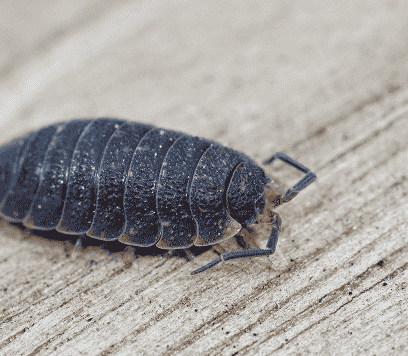
Cross-border traffic and constant movement also matter. Homes and businesses in Windsor-Essex County can see more turnover from guests, commuters, and deliveries, which can increase the chance of pests being introduced through packages, luggage, or second-hand furniture. That is why pest prevention here often relies on more than a one-time spray. It usually requires seasonal pest control, a careful look at entry points, and practical preventive measures based on local conditions.
Usual Pests to Watch for in Windsor Neighbourhoods
Several pests excel in different parts of the city, but a number of them are especially common across Windsor neighbourhoods. In many homes, the first signs become noticeable quietly: a few trails near a baseboard, a scratch in the wall, or small bits of damage around food storage areas. The most common concerns include ants, mice, and cockroaches, though residents also regularly deal with spiders, wasps, bed bugs, and other rodents.
Ants often move indoors when food sources and moisture are available. Kitchens, bathrooms, and basements are common problem areas. In older homes, tiny cracks around foundations or utility lines can become easy entry points. Mice are especially persistent in areas with aging infrastructure, detached garages, or cluttered storage spaces. A mouse problem can escalate quickly if crumbs, pet food, or structural gaps are left unaddressed.
Cockroaches are another concern, particularly where sanitation issues, moisture, or shared-wall conditions exist. Apartment buildings, duplexes, and busy rental units may need faster response times because these pests can spread from one unit to another. Bed bugs are a major worry for travellers and landlords alike, and they are not a sign of poor housekeeping alone. They can be brought in from hotels, transit, or used furniture. Meanwhile, wasps can become a late-summer nuisance around patios, eaves, and outdoor dining areas, while spiders often increase where insects are already abundant.
For many households, effective pest control windsor strategies start with identifying the exact pest, the source of the activity, and the conditions that allowed it to spread. A targeted response is usually more effective than a generic treatment.
Seasonal Insect Patterns in Windsor, Ontario
Changing weather shifts shape much of the insect pressure in Windsor, Ontario. The city’s weather patterns create regular seasons, and those patterns shape when residents are most likely to need a professional call. Recognizing these weather-related trends can help with planning, budgeting, and avoidance.
During the spring thaw, softening snow and waterlogged soil can drive pests out of cover. As moisture builds up around foundations and window wells, ants and other insects may become more apparent indoors. Spring is also a strong time for a home inspection, because winter damage, gaps, and drainage issues often become easier to spot once temperatures rise.
Hot-weather dampness can increase the problem. Muggy, wet conditions are ideal for many insects, and riverfront homes may feel the effects more strongly. In these months, moisture control becomes especially important. Basements, laundry rooms, and shaded exterior walls can attract pests if ventilation is limited or water is pooling near the home. The phrase “humd summers” may show up in conversation when locals describe the season, but the real issue is ongoing humidity that encourages pest movement and breeding.
By fall, fall rodent activity becomes the main concern. As temperatures drop, mice and other rodents look for warmth, shelter, and food. That often means attics, wall voids, garages, and storage rooms. Small gaps near doors, vents, and utility penetrations can become high-traffic entry points. In Windsor-Essex County, fall is one of the most important times to inspect a property for exclusion work before winter sets in.
Winter may seem calmer, but it is not pest-free. Rodents can stay active indoors, and some infestations remain hidden until activity increases again in spring. That is why seasonal pest control should be viewed as a ongoing process rather than a one-time fix.
Area and Area Factors That Affect Pest Issues
Local conditions can create a significant difference in how pests behave across the city. In Windsor, older housing stock, lot sizes, landscaping, and proximity to commercial corridors all shape pest pressure. This is especially true in areas such as Old Sandwich Towne, South Windsor, and Walkerville.
Old Sandwich Towne includes some of the city’s older homes and heritage properties. Older structures often have more opportunities for gaps, cracks, and settling-related openings. That can make exclusion more important, especially around foundations, porches, and utility entrances. In neighbourhoods with mature trees and established landscaping, insects may also have more nesting and shelter options close to the home.
South Windsor often features a mix of residential development, nearby shopping, and busy roadways. Increased traffic can mean more opportunities for pests to be transported in vehicles or deliveries. Suburban homes may also face issues related to garages, stored items, and landscaping that touches the building envelope. Good sanitation and moisture control can be especially helpful here.
Walkerville has its own mix of older housing, apartments, and active streetscapes. Shared walls, rental turnover, and dense neighbourhood conditions can make infestation control more complex. In these settings, a single treatment may not solve the problem if adjacent units or nearby structures still have active pest populations.
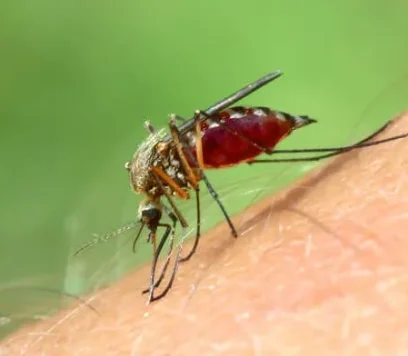
Across the broader Windsor area, riverfront neighbourhoods can experience added pressure from humidity and outdoor insect activity. Properties closer to the Detroit River or areas influenced by Lake St. Clair may need extra attention to drainage, screens, and exterior sealing. In practice, local pest control is often about matching the solution to the neighbourhood conditions rather than assuming one approach fits every property.
Travel Advice for Visitors Staying Close to Windsor
Travelers to Windsor should think about pests the same way they think about parking, weather, or transit: as a necessary part of trip planning. Whether you are staying in hotels, a furnished apartment, or one of the many short-term rentals in the region, a couple of easy habits can minimize risk and protect your belongings.
Start with luggage inspection. Before unpacking, place bags on a hard surface or luggage rack rather than on the bed. Check seams, zippers, and corners for signs of bed bugs, including minute dark spots, shed skins, or live insects. Keep clothing in sealed bags if you are especially concerned, and avoid setting bags on upholstered furniture until you have had a chance to inspect the room.
For hotel stays, use preventive measures such as checking mattress seams, headboards, and baseboards. In short-term rentals, look at beds, couches, and nearby walls for evidence of previous infestations. If you notice infestation signs, ask for a room change or alternative accommodation right away.
Travelers should also be careful when bringing items home. Used luggage, souvenirs, or second-hand furniture can carry pests from one location to another. A quick inspection after checkout can help prevent bed bugs from becoming a home problem. If you are staying longer in the Windsor area, especially near downtown or high-turnover rental zones, it is wise to keep clothing off the floor and reduce clutter around sleeping areas.
These steps are especially useful for families, business travellers, and anyone crossing the border frequently. A small amount of prevention can save a lot of time, stress, and property protection later.
How to Prepare Prior to Contacting a Pest Control Service
Before arranging a service call, use a few simple steps that can help a pest professional diagnose the issue more accurately. A clear inspection of the affected areas is the first step. Look for droppings, nesting material, chewed packaging, grease marks, or damage near food storage, pipes, and vents. Make notes about where and when activity is happening.
Next, focus on exclusion. This means identifying and sealing the openings pests use to enter. Common entry points include gaps under doors, holes around pipes, cracks in foundations, damaged screens, and utility penetrations. Even if you plan to hire a professional, basic exclusion work can reduce the pace of an infestation and improve results.
Sanitation is equally important. Eliminate food debris, secure garbage, store pet food in sealed containers, and reduce clutter where pests can hide. For rodents and insects alike, sanitation removes shelter and food sources that allow populations to grow. In kitchens, laundry rooms, basements, and garages, simple organization can make a real difference.
It also helps to think about moisture control. Leaks, condensation, and damp materials can attract pests and support insect activity. If you are noticing a recurring issue, take photos and keep a record of sightings before the https://brampton-onni025.quillnesty.com/posts/can-pest-control-help-with-fleas-in-windsor-homes visit. This gives the provider better context for an effective treatment plan.
How Nearby Pest Control Services Usually Operate
Most trusted local exterminators in Windsor use integrated pest management, a strategy that combines inspection, identification, targeted treatment, and long-term prevention. Instead of depending on a single product, integrated pest management considers the full picture: the pest species, the source of the issue, the property layout, and the environmental conditions that support the problem.
It usually begins with a detailed inspection. The technician checks indoor and outdoor areas, looks for nesting areas, and identifies whether the issue is isolated or widespread. From there, they create a service plan that may include baiting, trapping, sealing, sanitation recommendations, and safe treatment options suited to the property.
For homes, this may involve residential treatment focused on kitchens, basements, attics, or exterior entry points. For businesses, commercial pest management may require more documentation, more frequent service calls, and coordination with staff to protect inventory and public areas. In both cases, the goal is to reduce pest activity while supporting property protection and long-term prevention.
Return visits are often part of the process. Pest problems do not always disappear after one visit, especially when rodents, bed bugs, or recurring insect activity are involved. A follow-up inspection helps verify progress, adjust the treatment plan, and reinforce preventive measures. In many cases, the best results come from combining immediate control with ongoing monitoring.
Choosing a Pest Control Provider in Windsor
Choosing the ideal provider counts as much as the treatment itself. When comparing options in Windsor, look for a licensed exterminator who is familiar with local conditions and follows Ontario regulations. Licensing matters because it helps verify training, compliance, and correct use of products and methods.
Ask how the company handles integrated pest management, if they offer a formal treatment plan, and whether they offer a service guarantee. A solid guarantee does not replace quality work, but it can show that the company stands behind its service and is willing to return if the issue persists. It is also useful to ask about return visits and what kind of observation is included after the first treatment.
You should further ask whether the company is experienced in the Windsor area and the neighbourhood conditions that affect pest pressure. A provider who understands older homes in Walkerville, riverfront moisture concerns, or rodent pressure in South Windsor may be able to tailor recommendations more successfully. If you are comparing residential treatment and commercial pest management, ask for examples of each.
Finally, be sure the company explains secure available treatments in plain terms. You need to understand what will be done, what you need to prepare, and what results to expect. A dependable company will speak frankly about exclusion, sanitation, and preventive measures rather than focusing only on a one-time application.
When to Respond Promptly: Signs You Need Help Now
Certain pest issues can hold off a few days for an appointment, but others need immediate action. If you see pellets, that often suggests active pest presence. Droppings may appear in cupboards, under sinks, in drawers, along baseboards, or near stored items. Their location can help pinpoint whether you are dealing with mice, rodents, or insects.
Property damage is a further important red flag. Damaged wiring, damaged insulation, damaged food packaging, chewed wood, or damaged fabrics can mean the issue is spreading. In some cases, rodents cause hidden damage before they are ever seen directly. This is why even small signs should be taken seriously.
Look for nest evidence too, like shredded paper, fabric, padding, or vegetal debris collected in hidden corners. Nests may appear in lofts, wall cavities, garages, crawl areas, and storage areas. Should you hear rustling at night or notice ongoing activity in the same location, do not overlook it.
Fast intervention matters because infestations often grow. A small number of a few ants or a one mouse can become a more serious concern if food, shelter, and entry points remain accessible. Quick intervention helps protect the building, reduces health concerns, and decreases the chance of ongoing infestations.
FAQ About Pest Control in Windsor
What are the most common pests in Windsor, ON?
In Windsor, Ontario, the primary pests include ants, mice, cockroaches, spiders, wasps, bed bugs, and other rodents. The specific mix depends on the type of property, the season of the year, and the local neighborhood. Established homes, waterfront areas, and high-traffic rental properties can each attract distinct pest issues.
How does Windsor’s riverfront location affect pest activity?
The city of Windsor’s placement near the Detroit River and Lake St. Clair can raise humidity and moisture around buildings, especially in riverfront neighbourhoods. That moisture can promote insect activity, attract ants, and result in better conditions for pests to move closer to homes. It can also affect landscaping and drainage, which may add to pressure around foundations.
When is the best time of year to book pest control in Windsor?
The best timing depends on the pest, but spring and fall are especially important in Windsor because of the spring thaw and fall rodent activity. Spring is useful for inspection and prevention after winter, while fall is a critical time for exclusion work before rodents move indoors. Summer humidity can also make treatment necessary if insect activity rises.
How can visitors to Windsor hotels reduce the risk of bed bugs?
Travelers can reduce bed bug risk by doing a luggage inspection before unpacking, keeping bags off the bed, and checking mattress seams, headboards, and nearby furniture. For short-term rentals and hotels, it helps to keep clothing contained and not put items directly on upholstered surfaces until the room has been checked.
What should I check for when selecting a pest control company in Windsor?
Choose a licensed exterminator who functions under Ontario rules, describes their integrated pest management approach, and offers a straightforward treatment plan with follow-up visits if needed. It is a good idea to check for service guarantees, family-friendly treatment options, and whether the provider is familiar with Windsor neighbourhood conditions, including older housing in places like Walkerville, South Windsor, and Old Sandwich Towne.
Mosquito Man Windsor
2485 Front Rd, LaSalle, ON N9J 2C5, Canada
+1 226-526-4711
https://maps.app.goo.gl/JwhSC65zfbLWNH6v7
https://mosquitoman.ca/pest-control/windsor/
42.2161228, -83.1003005